What is the mechanism that guarantees a secure future? An unbiased and properly functioning judiciary is that safety mechanism, as we learn from both the Torah and modern history. And so we pray that the Courts save America.
A surprising scene takes place just after the Hebrews cross the sea. Moses meets his father-in-law, Jethro, and reunites with his family. With the perils of Egyptian taskmasters behind them, Moses assumes a new role. The very next morning, he presides as a judge, adjudicating the people’s disputes from morning until nightfall. Exodus 18:13.
This vignette offers powerful lessons about the nature of social order. How is it that only days after their liberation, disputes immediately arise among the people, so many that Moses must sit in judgment all day? One might expect the Hebrews to savor their newfound freedom or focus on survival in the desert. Instead, they appear as a contentious people who cannot resolve personal differences, even long enough to settle into their new circumstances.
Yet this seemingly unflattering portrait reveals a deeper truth: a properly functioning judiciary is critical to the endurance of any community. The importance of judges is underscored by a remarkable fact—even before God gives the laws at Sinai, a judicial system is required. In unprecedented and difficult circumstances, establishing a court becomes a structural defense against disorder. Only with a strong judiciary can a society maintain calm and order.
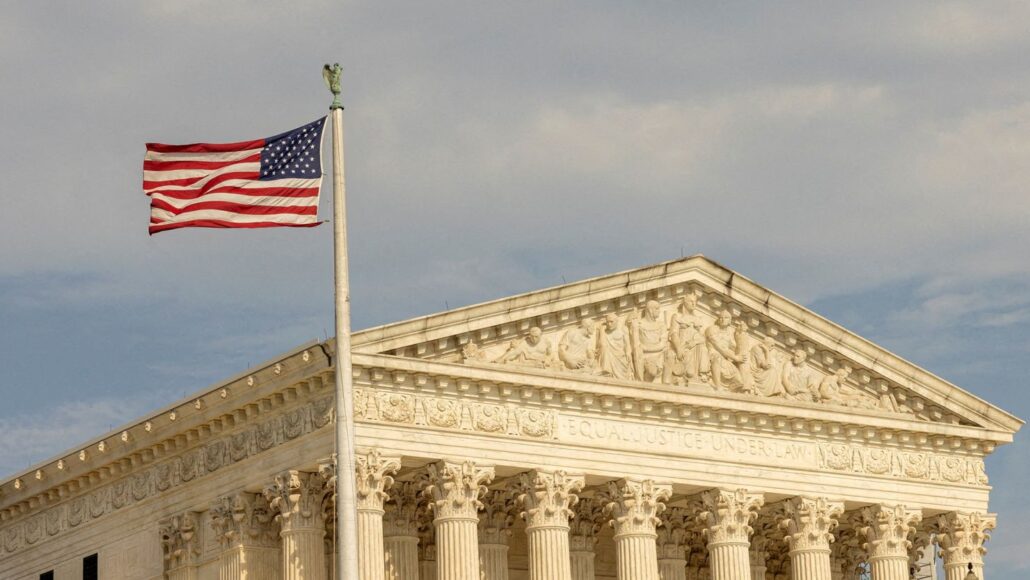
Recent events underscore this ancient wisdom. In the face of unprecedented executive power and congressional inaction, the judiciary serves as a bulwark against disorder and injustice. The courts can quell toxic partisanship and uphold the Constitution. Judicial orders stand among the last structural defenses of democratic norms. When the legislature acquiesces to executive overreach, an independent judiciary becomes essential to democracy’s survival.
Yet courts are only as effective as people’s willingness to obey. The effect of judicial orders does not come at the end of a gun’s barrel. Rather, society’s consent to accept judicial proclamations is the only trigger that gives our courts any real power.

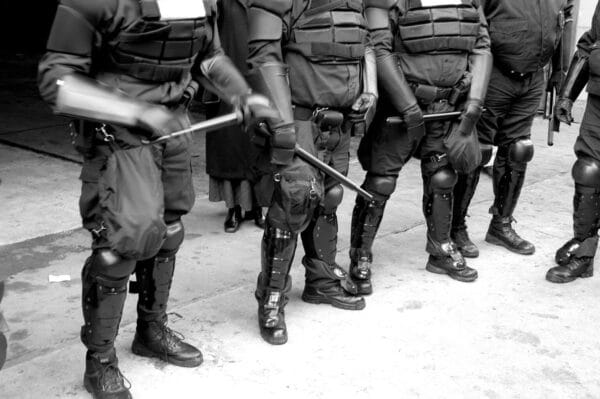
For example, dozens of courts have now issued orders limiting the power of ICE in rounding up immigrants and harming citizens. Almost all of those orders have been ignored. The sheer volume of violations judges are now describing reflects an intensification of the executive branch’s disregard for the judiciary’s role.
Commentators assert that the courts alone cannot save democracy, even as they play an outsized role in upholding democratic norms. We just cannot assume that the Courts alone can protect elections, defend civil liberties, and sustain the rule of law.
The Torah teaches that we cannot assume any society will endure, even for a moment, without a properly functioning judiciary. Current events confirm this lesson, but add a crucial caveat: the power of the judiciary is only as great as the public’s willingness to accept and abide by its rulings. While many look to the courts as the guardians of democracy, we must remain vigilant, never assuming that a dictatorial leader and an obsequious legislature will respect judicial power.
Rabbi Evan J. Krame
If this reflection resonates with you, consider sharing it on social media—or simply take a moment to reflect on how you can create a better community.