“What will you talk about on the High Holidays?” a woman recently asked. “I need to hear something hopeful.” Where can we find hope this year? I believe it begins not with words, but with our standing together.
My inspiration comes from this week’s Torah portion, Nitzavim, which means “standing.” As Moses’ life nears its end, he gathers the entire people. He proclaims:
“You stand this day, all of you, before your God —your tribal heads, your elders, and your officials, every householder in Israel, your children, your wives, even the stranger within your camp, from woodchopper to waterdrawer.”
For Moses, the future of the Jewish people begins only when everyone is present—when no one is left out. Hope begins with standing together.
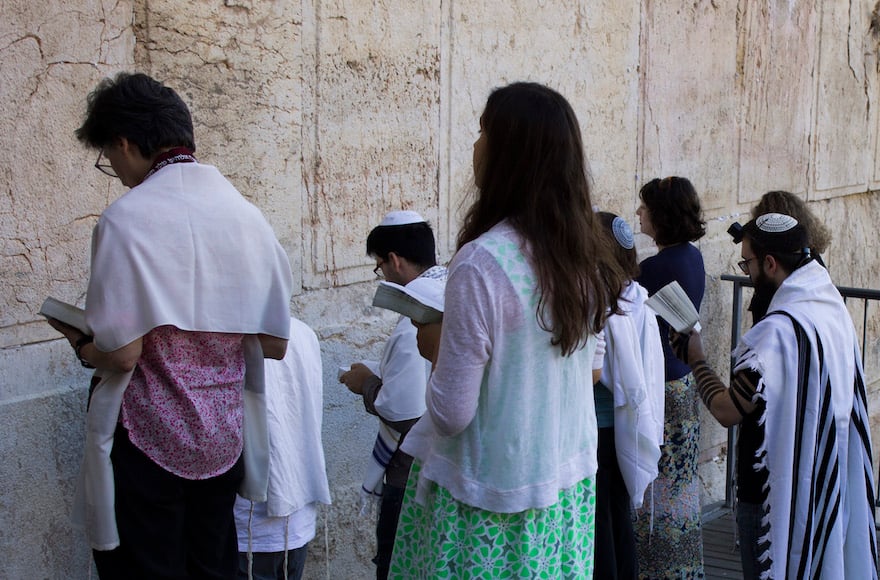
Perhaps this is the deepest draw of the High Holidays: the chance to gather once again as a community. All are welcome—of every profession, gender, age, and background, neighbor and stranger alike. If hope feels hard to find, come to services. Stand with your community. Look around at everyone who has chosen to show up.
Hopefulness in the act of gathering lies in the simple truth that each person arrives not only for themselves, but for something greater. When people greet one another, share prayer, or even just breathe the same air in sacred space, something is created that no one could bring forth alone.
There is a trust here: that by coming together we might ease loneliness, spark renewal, or strengthen each other against hardship. Hope is embedded in the invitation itself—because to ask others to gather is to trust they will come, and that their presence matters.
In the circle of community, hope takes the form of anticipation: that voices will be heard, differences bridged, and connections deepened. It is faith in human capacity—that even in times of fracture or uncertainty, we still choose to assemble, to bring our hearts and energy into a shared moment.
At its heart, community gathering expresses the most profound hope of all: that the future will be brighter if we walk into it together rather than alone.
Rabbi Evan J. Krame
If this reflection resonates with you, consider sharing it on social media—or simply take a moment to reflect on how you can create a better community.