Some instruments can be used for both good and evil. The Torah insists that tools themselves are morally neutral; it is human values that determine whether power redeems or destroys.
The primeval example is fire. Fire warms and cooks, sustaining life, yet it can also burn, devastate, and terrorize. The Torah offers a similarly potent instrument: the mateh, the rod. In Egypt, Moses lifts the rod to unleash plagues that bring an empire to its knees (Exodus 7:9–10; 9:23). Yet that same rod later becomes the vehicle of salvation. In Parashat Beshalach, God instructs Moses to lift his rod to part the sea so the Israelites can escape slavery (Exodus 14:16). Soon after, the rod strikes the rock and brings forth water to sustain the people in the wilderness (Exodus 17:5–6).
The Torah offers no new instrument, only a new moral context. The same rod that punishes can liberate; the same power that destroys can sustain. The Torah’s claim is unmistakable: power is never self-justifying. Its moral meaning emerges only through the values that guide its use. This is not a new debate. It is the Torah’s oldest question: What happens when human power outruns human ethics?
Pirkei Avot sharpens this lesson. “Who is strong?” the sages ask. “One who restrains oneself” (Pirkei Avot 4:1). Strength, in Jewish thought, is not measured by the capacity to wield force, but by the discipline to limit it. Power without restraint is not greatness; it is danger.
In every generation, the instruments change, but the challenge remains the same. In the twenty-first century, the rod is artificial intelligence. AI allows us to synthesize vast stores of human knowledge, accelerating medical breakthroughs, addressing environmental crises, and improving systems of care. Yet the same technology enables identity theft, mass surveillance, and the manipulation of markets and public trust. Like the biblical rod, AI is neither holy nor profane on its own. Its consequences flow directly from the moral framework (or lack of one) that governs its use.

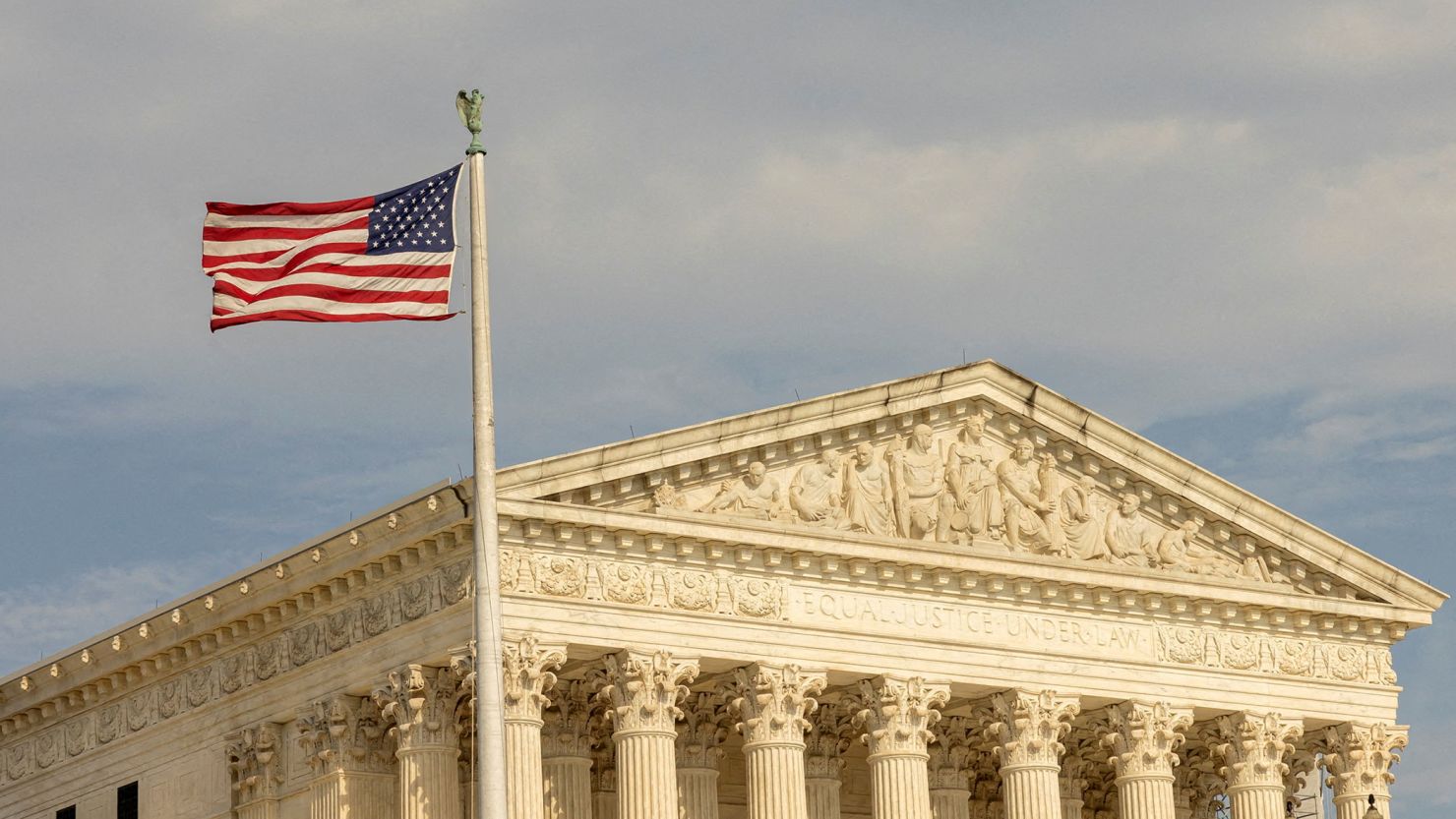
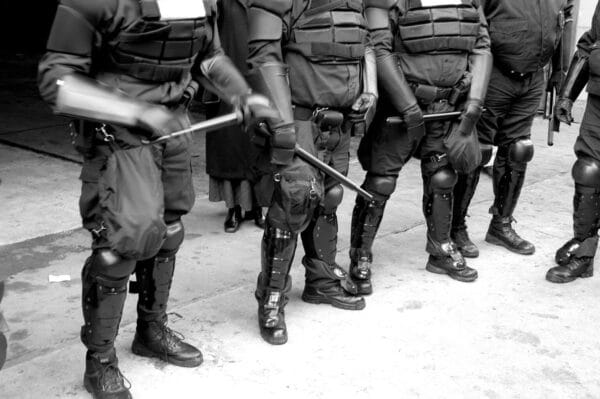
As Americans, we often look to law and government to regulate the use of powerful instruments. The Constitution protects the right to bear arms, born of historical fears and revolutionary struggle. Yet the Torah would press us to ask not only what is permitted, but what is restrained. Weapons designed for defense now routinely become tools of domestic terror and unchecked force. Here, too, we confront a failure not of instruments, but of values.
We live in a time saturated with powerful tools, both tangible and invisible. Jewish tradition does not allow us to be passive observers. “You shall not stand idly by the blood of your neighbor” (Leviticus 19:16). It demands that we tell the stories that distinguish strength from restraint, power from justice, and force from moral responsibility. When we speak, question, and demand accountability, we enter the ancient Torah conversation about how human beings are meant to hold power—and when they must set it down.
Rabbi Evan J. Krame
If this reflection resonates with you, consider sharing it on social media—or simply take a moment to reflect on how you can create a better community.