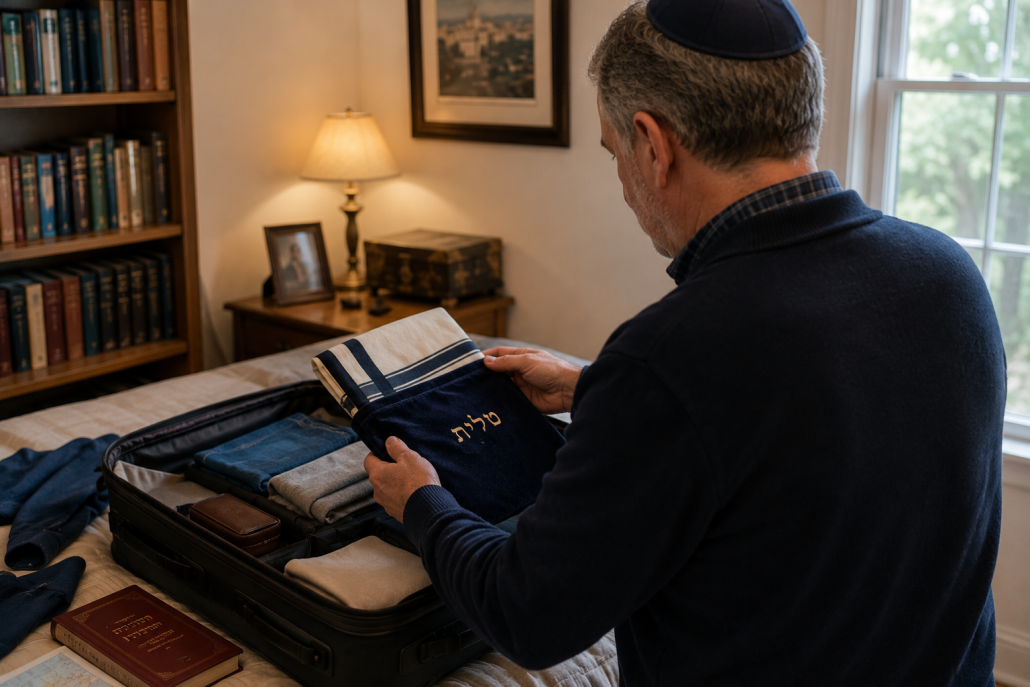
While packing my bags for Israel, I found myself unpacking something else. My unease had been tucked away like a forgotten sock in the corner of a suitcase, always there but ignored. This week’s Torah portion unzipped the pocket I had avoided opening.
In the last Torah portion of Numbers, the journey from Egypt to the Promised Land is recounted. As if recalling a long vacation, we read about the many stops along the way and some problematic points of interest. Yet, the last stop is a place of war and destruction.
Then I reached the final chapters of Numbers. Israel’s journey is nearly over. The Promised Land is in sight. I expected closure. Instead, I found slaughter.
Moses charges the tribes to decimate Midian. Midianites had infiltrated the Hebrew camp, and their women had seduced our men. Neither God nor Moses could overlook this outrage. Angered by the Midianites’ spiritual attack, the Hebrews retaliated with military force.
Was the decimation necessary? The Hebrews burnt the homes, took the possessions, and killed the men. Not satisfied with the result, Moses further orders the returning troops to slaughter the women captives who are not virgins.
Rather than the fanciful Torah of my youth, this feels like the Torah of Israel today. I have read these verses dozens of times. This year they refused to remain safely ancient. For the first time, they felt less like biblical history and more like today’s headlines.
I do not read these verses as someone looking for reasons to reject Judaism or Israel. I read them precisely because I cannot imagine abandoning either. My faith insists that these texts matter. My conscience insists that these deaths matter.
The Torah clearly views Midian as a mortal spiritual threat. The covenant itself seems endangered. I understand why the text portrays the battle as necessary. What I no longer understand is where necessity ends, and devastation begins.
The rabbis themselves were uncomfortable with triumphant violence. Our tradition has never silenced this discomfort. Long after the Torah was written, the rabbis imagined the angels rejoicing as the Egyptians drowned. God rebukes them: “My creatures are drowning, and you sing?” Even at Israel’s greatest victory, our tradition refuses uncomplicated celebration.
Our tradition has addressed this tension regarding the value of human life before. The Rabbis wrote midrash to explain how it was possible for the people to rejoice when Pharaoh’s army drowned in the Red Sea. They imagined the Angels celebrating and God berating them for their glee while God’s creations were drowning. What story can I tell about the assault on the Midianites that seems to exceed the need to protect the spiritual integrity of the Hebrews?
Today’s wars have made it impossible for me to read these verses as ancient history. Once again, Jews confront enemies who openly seek our destruction. Once again, we ask the terrible question every nation eventually faces: how much force is necessary, and when does necessary force become something our souls cannot bear?
And are we asking the same questions of the world’s most powerful nation, the USA, as others ask of Israel?
My suitcase is finally closed. My questions are not. I leave for Israel carrying clothes for two weeks and a conversation with Torah that may last the rest of my life.
Rabbi Evan J. Krame
If this reflection resonates with you, consider sharing it on social media—or simply take a moment to reflect on how you can create a better community.