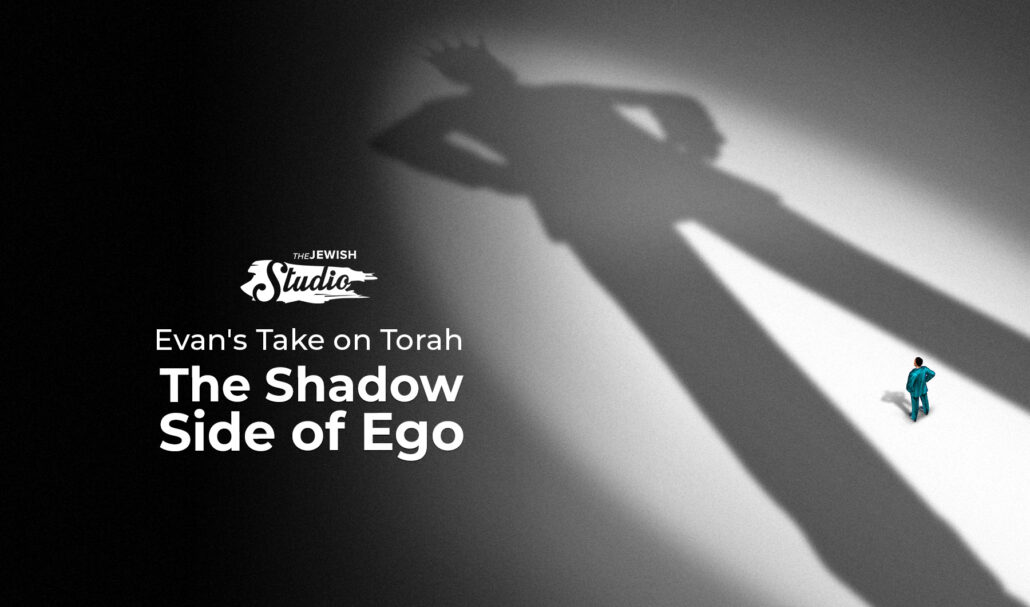
Why do leaders sometimes exceed their authority? Leadership rests in people who have the ego to seek authority. The shadow side of ego is the assumption of excessive power. Stories of arrogant leaders often end in disaster for them and for their communities.
The Torah offers a terrifying moment when two priests exceed the holy ordinances. Aaron’s sons, Nadav and Avihu, were newly ordained and full of ego. They bring their own offering, a strange fire, not commanded by God. They are consumed by fire. “Then Moses said to Aaron, ‘This is what GOD meant by saying: Through those near to Me I show Myself holy, and gain glory before all the people.’ And Aaron was silent.” Leviticus 10:3
They are not idolaters; they are not cynics. They are, in a sense, too “creative,” too sure that their own inspiration belongs on the altar. And the result is that God is sanctified—not through their leadership, but through their downfall.
That story is not only about two ancient priests. It is about what happens when religious leadership crosses the thin line between service and self. When a rabbi, a pastor, a spiritual figure begins to believe that their ideas, their charisma, their brand deserve a place that God never actually commanded, they are, in our terms, bringing strange fire.
We have seen, painfully, what happens when the ego of religious leaders becomes more important than the people they serve or the God in whose name they speak. Excessive ego leads to scandal, ruin, and sometimes destruction.

Hasidic masters saw this danger in the inner life as well. The Baal Shem Tov spoke of bitul ha‑yesh, the nullification of our “something‑ness,” our ego that insists, “I am the main character.” The task of the holy leader is not to shine so brightly that all eyes are on him, but to become transparent enough that, through him, people see God and their own souls more clearly. Ego diverts our awareness from God and turns service into self‑display.
And if that is true in religious settings, it is certainly true in the palace and the parliament. Political power is also a kind of sacred trust. When a leader is given authority to protect a people, to guard law and institutions, that authority is bounded by constitutions, by norms, by the image of God in every citizen.
When a political leader decides those boundaries no longer apply, when “my will,” “my need to stay in office,” “my image” override law, truth, and the good of the nation, that is its own kind of strange fire. History is full of leaders whose early gifts curdled into hubris, who silenced critics, bent the rules, and in the end brought calamity on the very people they were sworn to protect.
Whether in a sanctuary or a statehouse, leadership without limits and charisma without humility ends in fire. The call is that any of us who hold even a little power, whether on a bimah, on a board, in a ballot box, we must choose: will our service draw attention to ourselves, or will it make room for something higher than our own ego?
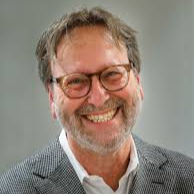
Rabbi Evan J. Krame
If this reflection resonates with you, consider sharing it on social media—or simply take a moment to reflect on how you can create a better community.