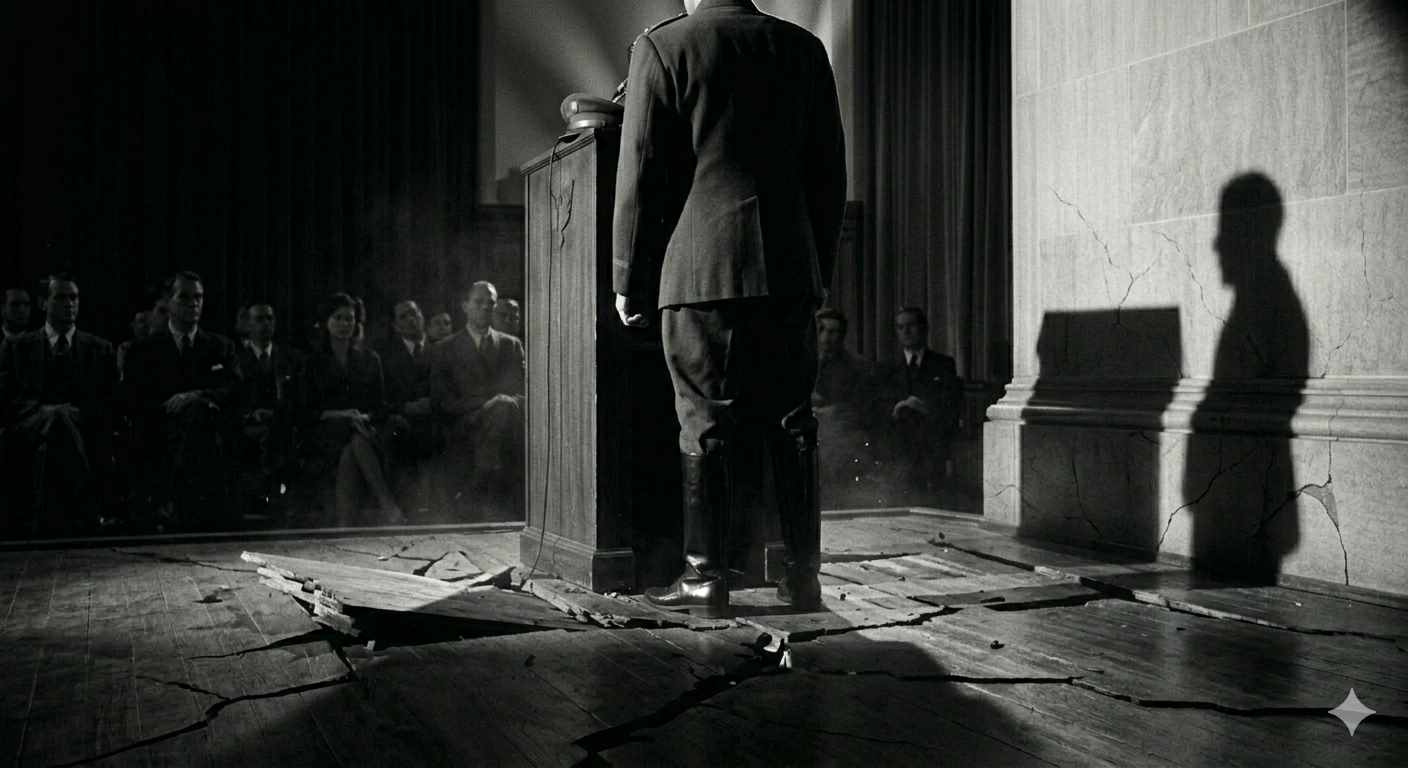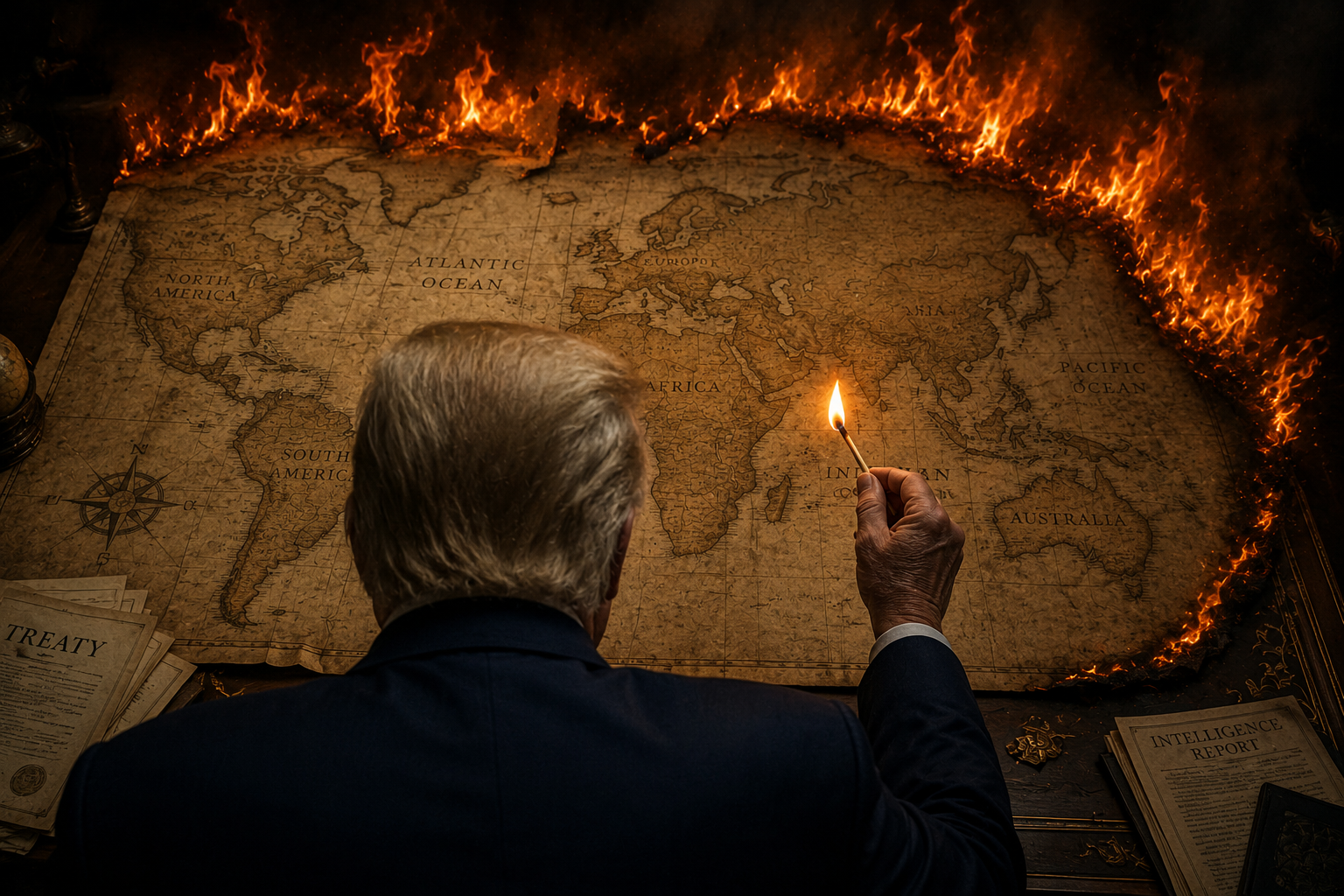
This election season feels like a never‑ending “Hunger Games.” Candidates enter the political arena with cameras and iPhones rolling. The ruthless and the radical have a better chance of survival, that is, of winning an election. Must every debate become a battle, every poll a scoreboard, every news cycle another test of who can outlast or outshout the rest? In that kind of world, politics becomes a dystopian contest of survival of the fittest, but not necessarily of the most empathetic. In that setting, it is easy to forget a deeper question: What qualities should we seek in a leader?
The Torah offers a remarkably relevant answer as Moses approaches the end of his life. God tells Moses to ascend a mountain and gaze upon the Promised Land that he will never enter. The reason reaches back to the waters of Meribah, where Moses struck the rock in anger rather than speaking to it as God commanded. Whether the punishment fits the offense has occupied rabbis and commentators for centuries. What matters here is Moses’ response.
Moses has every reason to focus on himself. He has spent forty years leading a difficult and often ungrateful people through the wilderness. Nearly everyone from his generation is gone. His sister Miriam has died. His brother Aaron has died. Now he learns that his own life’s dream will remain unfulfilled.
Yet Moses’ first concern is not his disappointment, his legacy, or his reputation. His concern is the people. He turns to God and says: “Let GOD, Source of the breath of all flesh, appoint someone over the community who shall go out before them and come in before them, and who shall take them out and bring them in, so that GOD’s community may not be like sheep that have no shepherd.” (Numbers 27:16–17)
At this crucial moment, Moses chooses an extraordinary title for God: “Source of the breath of all flesh.” Why this name? Why not one of the many familiar descriptions of the Divine?
The phrase echoes the creation story itself. God breathes life into the first human being. In Hebrew, a word for soul is nefesh, closely connected to breath and vitality. Moses reminds us that every human being carries within them a spark of divine possibility.
The medieval Midrash Tanchuma makes the point explicit. Moses is effectively saying to God: “The personality of each person is revealed to You, and no two are alike. Appoint over them a leader who will tolerate each person according to his individual character.”
This is a profound vision of leadership. Moses is not asking for a military commander, a charismatic orator, or a political strategist. He is asking for someone capable of seeing people as they truly are: distinct human beings, each bearing the breath of God.
Here, the contrast with our dystopian politics becomes sharp. In the “Hunger Games” version of public life, candidates can become pawns, like tributes sent into the arena to advance someone else’s agenda. What matters is who wins, who trends, who dominates the screen. In Moses’ vision, what matters is who sees the people, who recognizes their dignity, who understands their differences, and cares for them.
The shepherd image matters here. A shepherd does not lead a flock through force alone. A shepherd guides, protects, understands, and cares. Leadership, in Moses’ vision, is not conquest. It is stewardship.
That vision stands in sharp contrast to the leaders who measure success by power accumulated, enemies defeated, or attention commanded. Moses proposes a different standard.
As our politics look increasingly like a televised arena of survival, we must resist the temptation to celebrate tough competitors. We can choose instead to seek out and support leaders who will shepherd us, the leaders who see each person’s nefesh, honor the breath of all flesh, and guide us toward a more just and compassionate future.
Rabbi Evan J. Krame
If this reflection resonates with you, consider sharing it on social media—or simply take a moment to reflect on how you can create a better community.