
The history of failed wars demonstrates that emotion cannot masquerade as courage, and impulsiveness cannot replace planning. Military campaigns have failed throughout history, especially when wisdom and spiritual grounding are lacking. Pride and anger are the explosives that backfire.
Failed Wars in the Torah
In Numbers 14, the Israelites stand at the edge of the Promised Land. First, they succumb to fear. The spies’ report convinces them that conquest is impossible, and they refuse to enter the land. Then, after hearing God’s judgment, they swing to the opposite extreme. Filled with shame, regret, and wounded pride, they decide to attack after all. Moses warns them not to go. The ark remains in the camp. The presence of God does not accompany them. Yet they march forward anyway, only to be defeated by the Amalekites and Canaanites.
The Israelites mistook emotion for wisdom. Unable to tolerate the humiliation of their earlier cowardice, they convinced themselves that action was the same thing as faith. But they were not acting from conviction. They were reacting from shame. The battle was fought not because it served a clear purpose but because they could not bear how they felt.
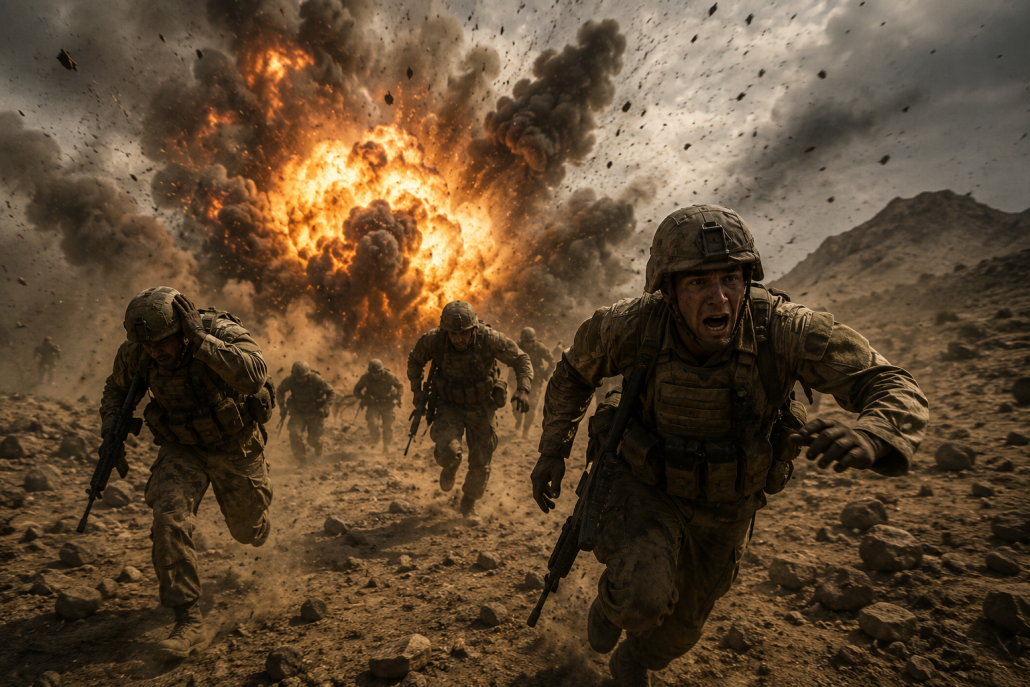
The Torah’s lesson is timeless. Fear can distort judgment, but so can anger. So can humiliation. There often arises a desperate need to demonstrate strength as an antidote to perceived weakness. Communities and nations are no less vulnerable to these emotions than individuals.
The Philosophy of War
Centuries later, Sun Tzu warned against entering battle out of anger. Just War theorists argued that a just cause alone is insufficient; wisdom requires a reasonable path to achieving one’s goals. Clausewitz insisted that leaders must first define the political objective for which a war is being fought. Each, in his own way, recognized the same truth found in Numbers 14: emotion is not strategy.
Explosives that backfire
The current war against Iran invites precisely this reflection. Iran’s threats are real. Its ambitions are dangerous. Yet the Torah would ask a deeper question than whether a threat exists. It would ask whether military action is being guided by wisdom or by collective emotion. Is the nation acting from a carefully considered vision of the future, or from fear, outrage, humiliation, and the understandable desire to strike back? Has the objective been clearly defined, and is there a realistic path to achieving it?
Their failure was not military alone. It was spiritual.
The Israelites in the wilderness believed that force could undo a previous mistake. They discovered instead that acting from wounded pride often compounds the original error. The Torah teaches that courage is not the opposite of fear. Courage is the ability to act wisely despite fear. It is the discipline to refuse the seduction of anger, humiliation, and vengeance when they present themselves as strength. In the Torah, the source of courage is faith in God’s promise.
Nations, like individuals, are most at risk when powerful leaders act on emotion, overriding the need for reflection. The lesson of Numbers 14 is not that war is never necessary. It is that before marching into battle, we must ask whether we are pursuing a strategy or merely acting out our feelings. The difference may determine not only whether we win the war, but whether we emerge from it with the spirit of our nation intact.
Rabbi Evan J. Krame
If this reflection resonates with you, consider sharing it on social media—or simply take a moment to reflect on how you can create a better community.