“The outcry of Sodom and Gomorrah is so great, and their sin so grave!” (Genesis 18:20)
Some people look at America today and see Sodom. They see corrupt, cruel leaders and wonder how our country got this way. But the Torah tells a more uncomfortable story. Sodom was worthy of destruction because of its wickedness. Yet, Sodom was destroyed because God could not find ten people willing to stand against them.
A nation is measured not only by the evil of those who lead it, but by the willingness of its people to live with that evil rather than resist it.
What Sodom actually did
We tend to imagine Sodom as a lurid tale of fire and brimstone. The prophet Ezekiel describes something far more ordinary: “This was the sin of your sister Sodom: she and her daughters had pride, plenty of bread, and careless ease, but she did not strengthen the hand of the poor and needy” (Ezekiel 16:49).
The sins of Sodom were arrogance, cruelty, and greed, but its destruction was because of complacency and indifference. Sodom was not a city of monsters. It was a comfortable city that did not stand against suffering. If that description makes a wealthy modern nation squirm, it should.
Even Lot, the one man rescued from the city, was “sitting in the gate of Sodom” (Genesis 19:1), the seat of the elders. Lot was not wicked. He was settled. He had made his home among them. Comfort is the soil in which tolerance of evil grows.
Why ten
Hearing of the coming judgment, Abraham did something remarkable. He argued with God. “Shall not the Judge of all the earth deal justly?” (Genesis 18:25). How can the innocent be swept away with the guilty? He bargained from fifty righteous people down to forty-five, then forty, thirty, twenty, and finally ten.
Then he stopped. He does not ask God to spare the city for one.
Ten is a minyan, the smallest unit of Jewish community. One righteous person can be rescued, and Lot was. But it takes a community to save a city. The righteousness that redeems a nation is not private virtue. It is people standing together in public and saying no.
No hiding in private goodness
The Talmud (Shabbat 54b) makes the point unavoidable: whoever can protest wrongdoing in their household and does not is responsible for it. Whoever can protest their town’s wrongdoing is responsible for it. Whoever can protest the world’s wrongdoing is responsible for the world.
This does not make everyone equally powerful or equally guilty. The official who signs the cruel order and the citizen who looks away are not the same. But it does strip away the comfortable alibi: “At least I am personally a good person.” Personal decency did not get anyone in Sodom counted among the ten.
The people move first
A companion story has a happier ending. Jonah is sent to warn Nineveh of its destruction, and something unexpected happens. “The people of Nineveh believed God. They proclaimed a fast and put on sackcloth, from the greatest of them to the least” (Jonah 3:5). Only after that does word reach the king, who then rises from his throne and joins them.
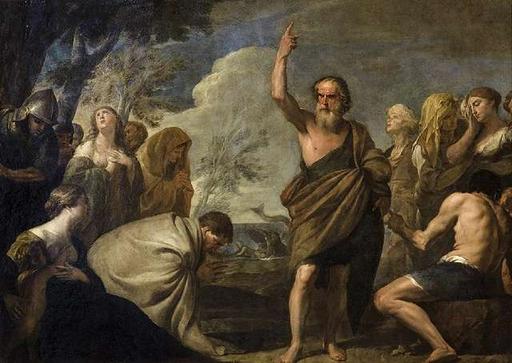
The people moved first. The leader followed. And God responded not to their fasting but to their conduct: “God saw what they did, how they turned from their evil ways” (Jonah 3:10). Repentance is not a mood. It is ending abuses, repairing harm, and changing institutions.
Abraham’s example asks one more thing of us. He did not argue only for the righteous of Sodom. He argued for Sodom. We can oppose cruelty without wishing destruction on those who practice it, and we should leave room for them to change. The goal is a healed nation, not a scorched one.
Resisting evil and be counted
America still has its ten, and many more. People shelter strangers, feed hungry families, defend others’ rights, and refuse orders they know are wrong. They show that this country still has the possibility of repair.
But the ten only matter if they can be found. Counting begins at the ballot box, and it doesn’t end there. Call out the congressmen and senators who enable corruption and cruelty. Seek coalitions, where people of different backgrounds find common ground.
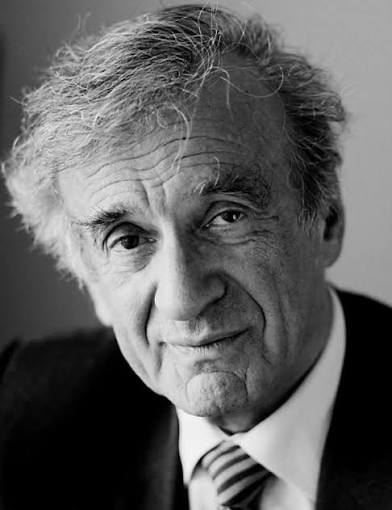
Elie Wiesel put it plainly when he accepted the Nobel Peace Prize: “We must take sides. Neutrality helps the oppressor, never the victim. Silence encourages the tormentor, never the tormented.” So the question for us is not only who sits in power. It is whether we have spoken loudly enough to be counted among the righteous.
Rabbi Evan J. Krame
If this reflection resonates with you, consider sharing it on social media—or simply take a moment to reflect on how you can create a better community.