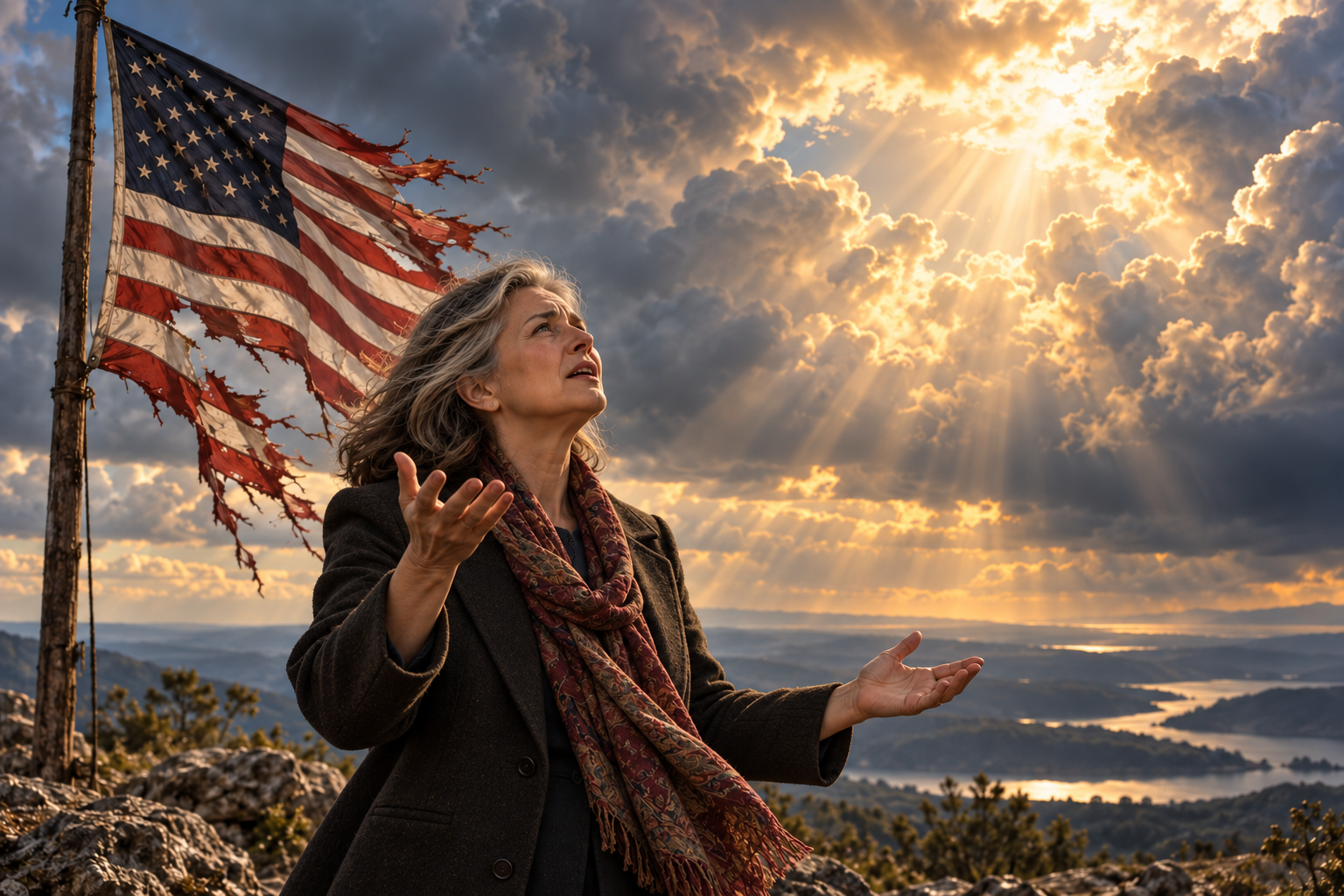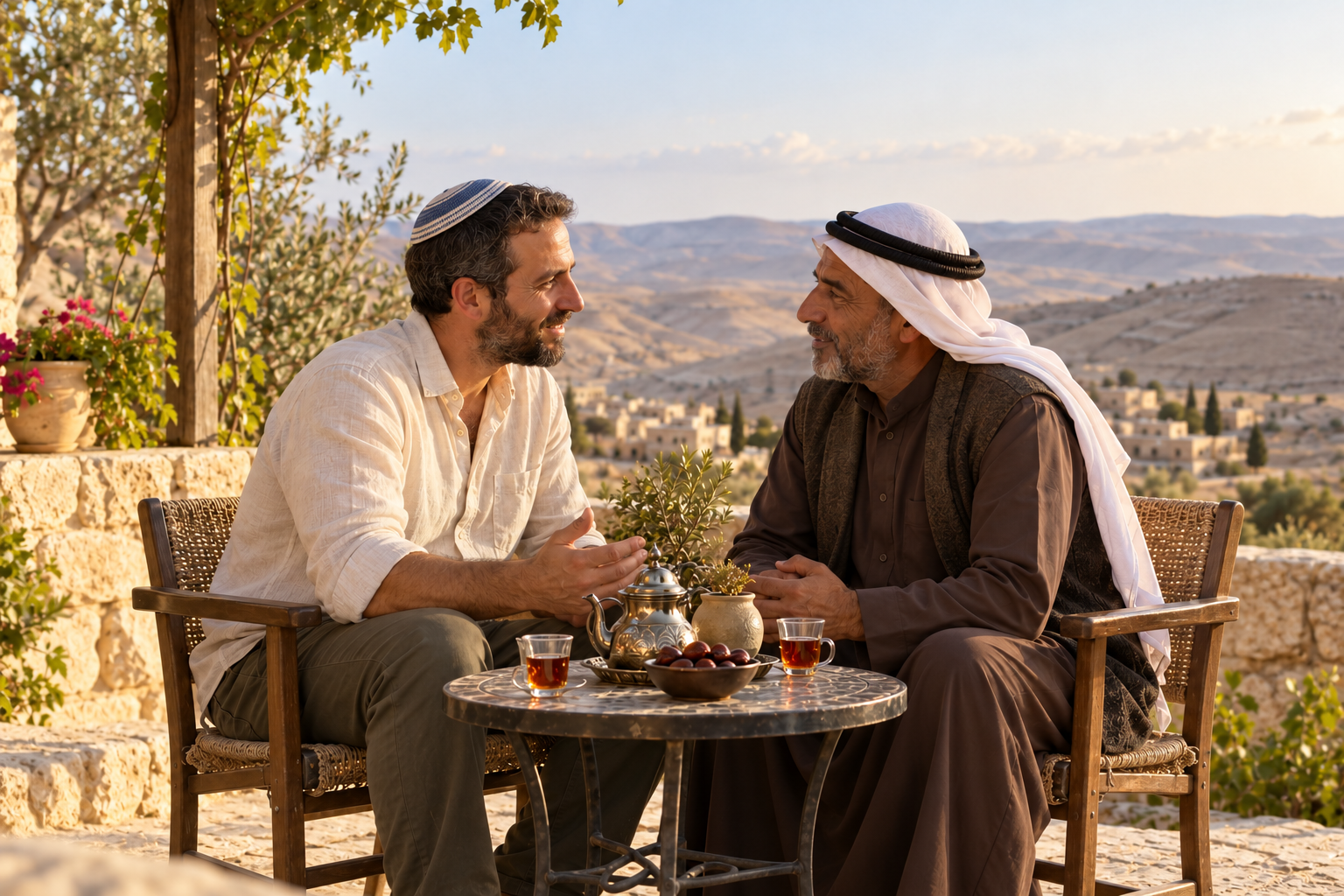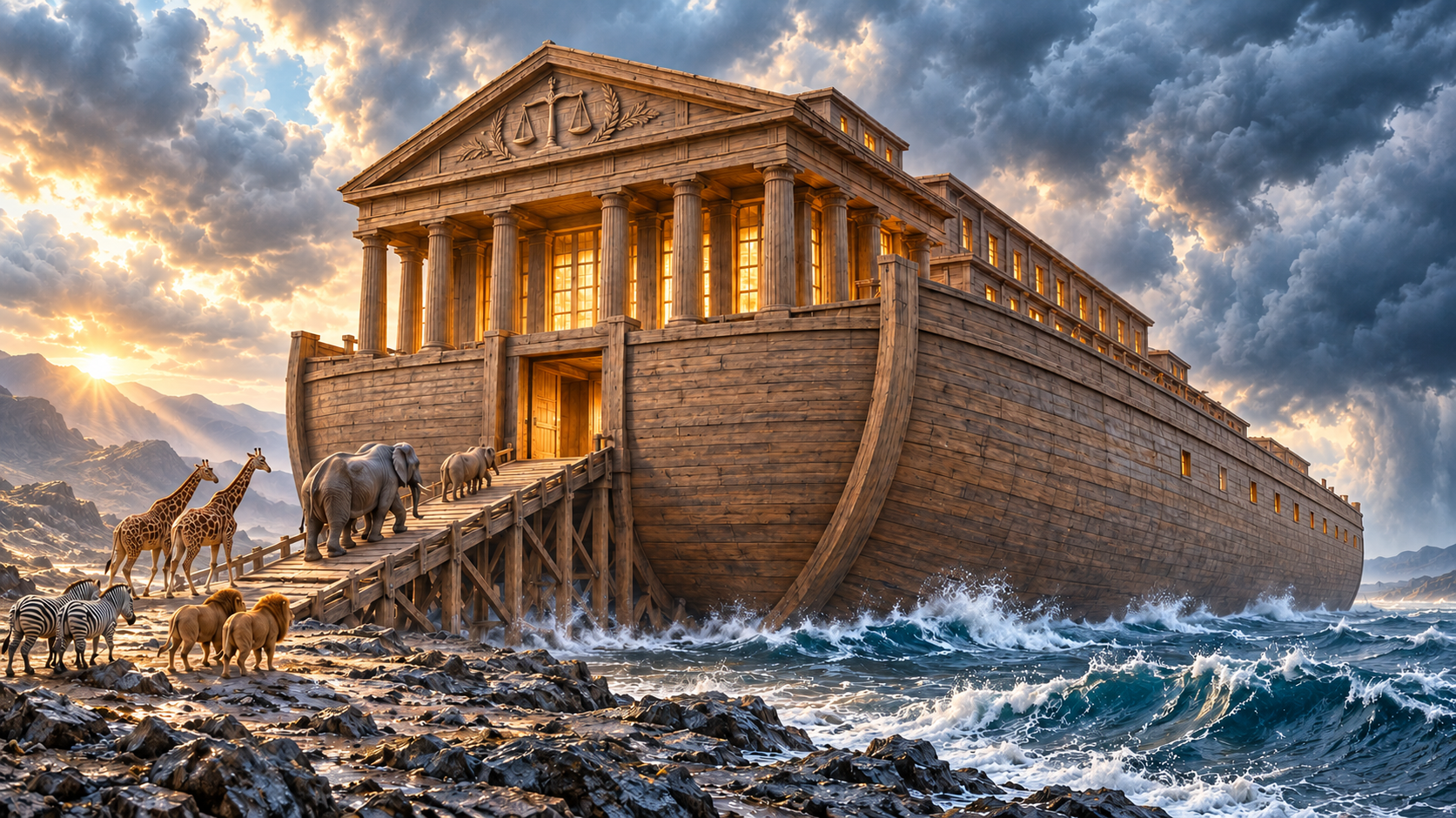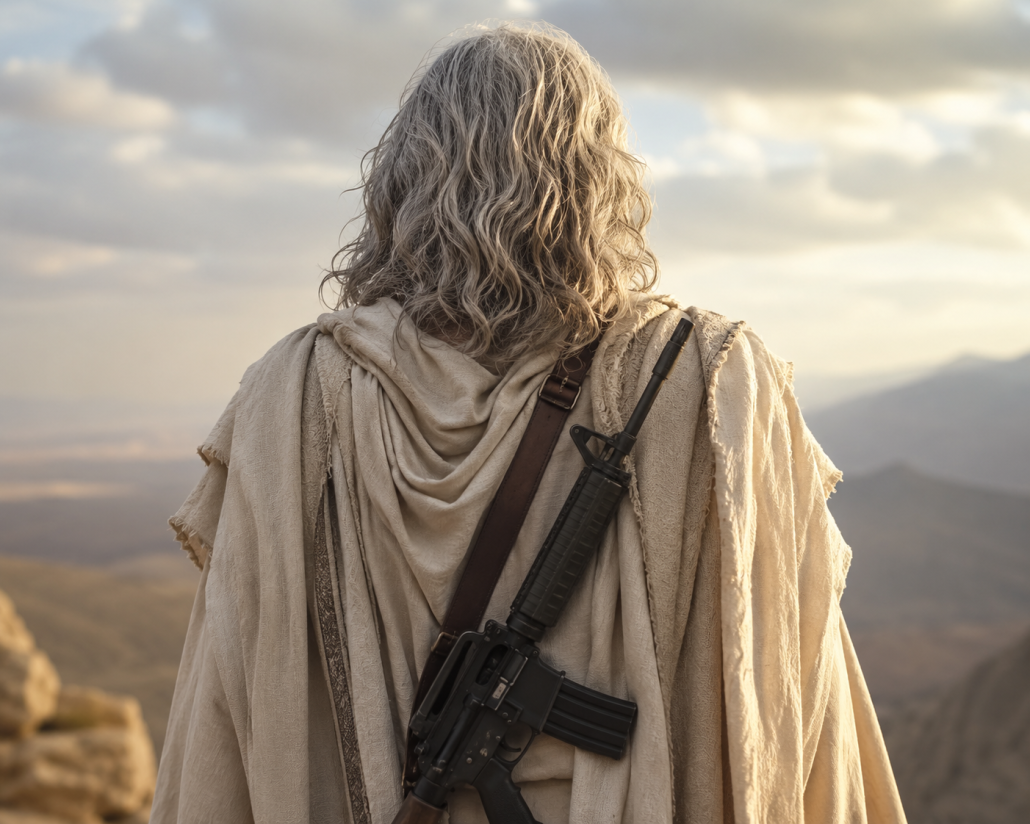
A week in Israel taught me more about the country and its challenges than I expected, but understanding more was not the same as understanding better. I know more facts now, and I have fewer answers about what a peaceful future actually looks like. Philosophers and politicians, pundits and poets, can all eloquently urge Israel toward some idealized peace. None of them offer a workable path out of a war that never seems to end, or out of the failed leadership on every side of it. The paradox sits right at the center: how do you pursue peace by means of a war that never secures it? Is ours a God of peaceful coexistence, or is God locked and loaded?
God made a bargain with the Israelites. Observe the laws and commandments, and you may remain in the Land (Deuteronomy 4:40). To make sure you keep that bargain, teach the laws to your children, recite them when you lie down and when you rise.
But inside that same bargain sit two commands that don’t sit easily together. God says, “you shall not murder” (Exodus 20:13). And God says, dislodge the nations in your way to possessing the Land (Deuteronomy 7:1).
Am I supposed to read the order to dislodge as law, the same way I read the order not to murder? If I do, the fundamentalists have the stronger argument: the Land is ours to take, by force if necessary. If I don’t, what exactly is left of the terms of my relationship with God? Are you confused? Because I am.
No reading of these verses will ever fully satisfy me. Judaism, as a religion built on Torah, has always required us to choose which laws we live by and which we set aside, or at least reinterpret past their plain sense. I will not support dislodging the Hittites, the Amorites, the Jebusites, whoever stands in for them today, combatant or neighbor. And in the same breath, I will hold God to the other half of the bargain, that we, and our children, and their children, get to stay in the Land.
I cannot ask God to guarantee our place there and then deny Israel the arms it needs to hold it. If God is locked and loaded on our behalf, I don’t get to disarm on God’s behalf too.
Being Jewish means living inside a contradiction and not resolving it just to feel better. Supporting the State of Israel, for me, means holding a real threat and a real hope for peace in the same hand, without letting either one cancel out the other. That contradiction, unresolved, is my Zionism for the 21st century.
I don’t know if the God I pray to is a God of peace or a God with a gun. I suspect God is both, and that praying to only one aspect of God will not secure Israel’s future.
Rabbi Evan J. Krame
If this reflection resonates with you, consider sharing it on social media—or simply take a moment to reflect on how you can create a better community.