I wore linen and seersucker this week, earlier than I can ever remember. We had 95-degree temperatures in mid-April, twenty-five degrees above average. Instead of glorying in the warmth, I felt dread about climate change. Rachel Carson warned us in near-biblical terms back in 1962; sixty years later, most Americans are finally listening.
An April 2026 Gallup poll reported that concern about climate change is at its highest level in decades. A record-low 35% of adults feel positively about the quality of the environment, and 63% of U.S. adults say the government is doing too little to protect it — the highest level recorded since polling began in 1992. Daily life feels more perilous as extreme heat, violent storms, and severe droughts become commonplace, and people increasingly interpret what they see around them as evidence of a changing climate.
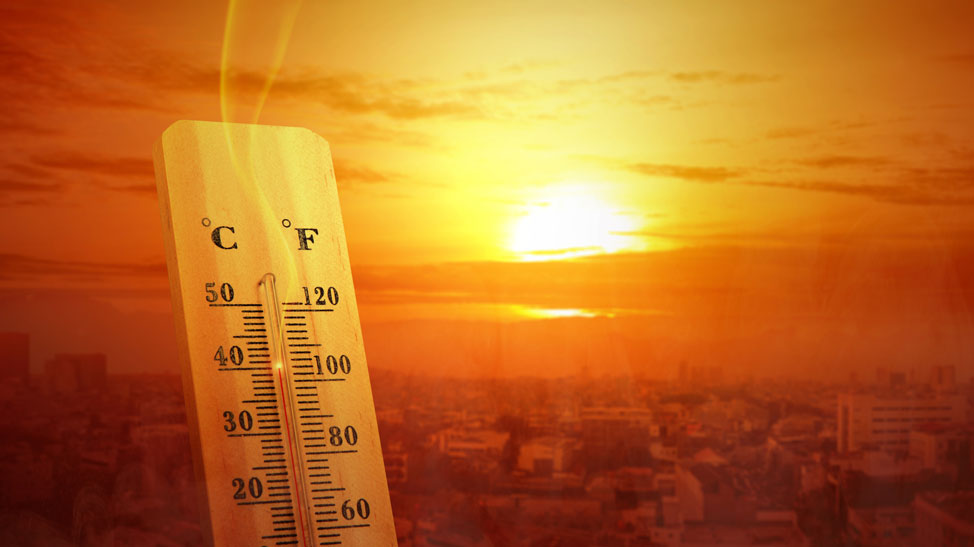
Climate change anxiety is rising
Parts of the far right are still characterized by a refusal to accept that climate change is primarily human-caused. That view leaves room to question both responsibility and agency. If the cause is not ours, then the solutions are dubious. People may worry yet feel disempowered to make any real difference.
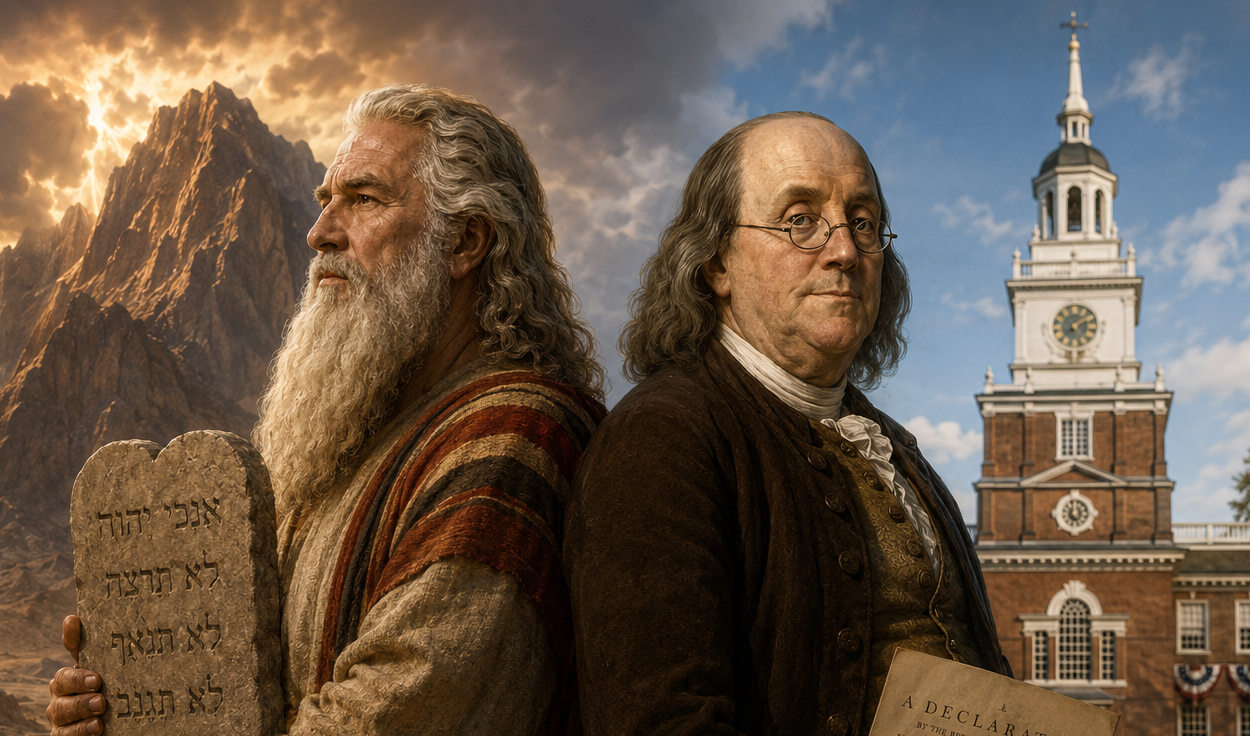
The Jewish tradition offers a different framework — one that forecloses the luxury of denial. The Torah warns us in Leviticus 18: “So let not the land spew you out for defiling it.” Judaism assumes that changes in the land are human-caused and that human action matters. This is reinforced by the principle of Bal Tashchit which is the rabbinic prohibition against needless destruction, rooted in Deuteronomy 20:19, which forbids cutting down fruit trees even in wartime. The rabbis extended this to any wasteful destruction of the natural world. And from the very beginning, in Genesis 2:15, humans are charged l’ovdah u’leshomrah — to work and to protect the earth. We are not owners of creation. We are its stewards.
As climate change shifts from an abstract future threat to a perceived present reality, it increasingly activates what psychologists call anticipatory anxiety. The language of “tipping points,” “irreversible damage,” and “catastrophic warming” borders on the apocalyptic. Younger people report higher levels of climate-related anxiety, tied to fears about long-term livability. Others cope by tuning out. This oscillation between alarm and avoidance is itself a psychological adaptation, a way of grounding ourselves before a problem that feels both urgent and overwhelming.
Judaism has always known how to act in the face of uncertainty. The midrash recalls Nachshon ben Aminadav, who stepped into the waters of the Red Sea before they parted, acting without any guarantee of outcome. And Rabbi Tarfon taught in Pirkei Avot: “It is not your duty to finish the work, but neither are you free to desist from it.” These are not counsel for passivity. They are a call to act faithfully, especially when the future feels uncertain.
What emerges is not a society divided simply between believers and skeptics, but one grappling with the emotional weight of a shared and growing recognition. Climate change raises not only questions of science and policy, but questions of meaning, responsibility, and resilience. I remain cautiously optimistic. Let’s drape our planet in talit of response rather than a linen shroud of mourning.
Rabbi Evan J. Krame
If this reflection resonates with you, consider sharing it on social media—or simply take a moment to reflect on how you can create a better community.